DIY Kit or Pro Install: Which Fits Your Electric Sauna Heater Project?
A DIY kit works well for the physical assembly of an electric sauna heater: mounting the bracket, connecting the rock basket, and installing a guard rail are within reach for a confident do-it-yourselfer. The electrical work is a different story. Running or verifying a dedicated 240-volt circuit almost always calls for a licensed electrician, both because it is genuinely dangerous to get wrong and because most manufacturers require licensed installation on units above roughly 6 kW to keep the warranty valid. The realistic project for most owners is a hybrid: DIY assembly, professional electrical.
Which Parts of Installation Are Actually Safe to DIY?
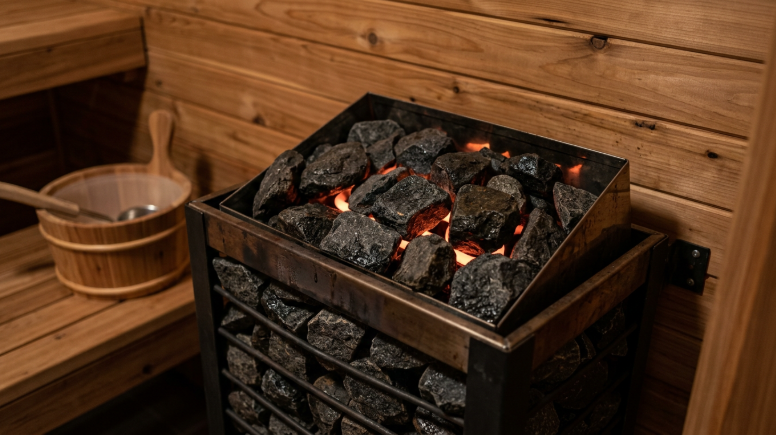
Mounting the heater bracket to the wall, connecting the heater to the control panel where the kit specifies low-voltage wiring, loading and arranging the rock basket, and installing a guard rail if clearances require one are all reasonably within a confident DIYer’s skill level, especially with the manufacturer’s install manual in hand. None of this touches the home’s electrical panel or requires running new high-voltage wire, which is the line where risk and, in most cases, code requirements actually start.
See also: 168.1.57 Router Login and WiFi Setup Guide
Why Does the Electrical Portion Almost Always Need a Professional?
Most heaters above roughly 6 kW draw enough current to require a dedicated 240-volt circuit on its own breaker, commonly sized 30 to 40 amps and run in properly gauged copper wire back to the panel. This is not a beginner electrical task: undersized wire or an incorrectly sized breaker is a genuine fire risk, and many jurisdictions require a permit and inspection for exactly this kind of circuit work regardless of who performs it. On top of the safety argument, most manufacturers state explicitly in the warranty terms that installation by a licensed electrician is required for coverage to remain valid on higher-output units, which makes this less a DIY judgment call and more a straightforward requirement.
What Does Hiring the Electrical Work Actually Cost?
Professional electrical work for a dedicated sauna circuit typically runs $300 to $1,200, with the range driven mostly by distance from the panel and whether the panel has spare breaker capacity or needs an upgrade first. A full-service install, where a contractor handles both the heater mounting and the electrical work as one job, generally runs $500 to $1,800 total depending on project complexity and local labor rates. Getting a quote for the electrical portion before ordering the heater, rather than after it arrives, avoids the common situation of a unit sitting boxed up while a panel upgrade gets scheduled weeks out.
How Does a Rental or Finished Basement Change the Decision?
A rental property almost always requires landlord approval before any new circuit gets installed, and most landlords will insist on a licensed electrician regardless of the tenant’s own skill level, which effectively removes the DIY option for the electrical portion entirely. A finished basement adds its own complication, since running new wire often means opening drywall or working around existing flooring, which pushes the total project closer to a full professional install rather than a split DIY-plus-electrician job. Owners in either situation are generally better off pricing a full-service install from the start rather than assuming a hybrid approach will save meaningful money.
What Should a Buyer Check Before Choosing a Kit?
Not every heater is sold as a true DIY-friendly kit. Some ship as a bare heater unit expecting a fully separate electrical and mounting plan, while others include a bracket, control wiring harness, and clear step-by-step assembly instructions built for a non-professional installer. Current listings, including the kits and standalone units at the team at SweatDecks, generally specify which category a given model falls into on the product page, which is worth checking before assuming a heater comes DIY-ready. Buying a bare unit expecting a kit experience is a common and avoidable source of installation-day frustration.
Does the Install Method Affect How the Heater Performs Later?
A correctly installed heater, whether DIY-assembled with professional electrical work or fully professionally installed, performs identically once it is running, since the installation method has no bearing on the unit’s actual output or the research behind regular sauna use. A 2018 review in Mayo Clinic Proceedings on cardiovascular associations and a separate systematic review in Evidence-Based Complementary and Alternative Medicine both describe benefits tied to consistent use over time, not to how the heater was installed. Where installation choice does matter is reliability: a heater installed outside its rated clearances or on an undersized circuit is more likely to trip breakers or develop problems early, regardless of how well it performs on day one.
What About a Detached Outbuilding or Garage Conversion?
Installing a heater in a detached garage or standalone outbuilding often means the electrical run is longer than a typical indoor install, since the circuit has to travel from the main panel out to a separate structure, sometimes underground in conduit depending on local code. This usually pushes the electrical cost toward the higher end of the typical range, and it is one of the clearer cases where hiring a licensed electrician from the start, rather than attempting any part of the run, makes sense given the added complexity of an outdoor circuit run. A detached structure also needs its own consideration for insulation and vapor barrier work, since a garage or outbuilding was rarely built with sauna-level heat and humidity in mind.
On the plus side, a detached space often gives more flexibility on heater placement and ventilation design than a room carved out of an existing home, since there are fewer existing walls and utilities to work around. Owners converting a garage corner or a small standalone shed into a sauna often find the DIY portion, framing and paneling the actual cabin, is more involved than in a finished-basement project, even though the mounting and rock-loading steps for the heater itself stay the same.
Frequently Asked Questions
Can I install an electric sauna heater myself? Mounting the heater and rock basket is usually within reach for a DIYer, but the dedicated 240-volt circuit almost always needs a licensed electrician, partly for safety and partly to keep the warranty valid.
How much does professional sauna heater installation cost? Electrical work alone typically runs $300 to $1,200. A full-service install including mounting runs $500 to $1,800 depending on complexity.
What part of a sauna heater install is safe to DIY? Mounting the bracket, connecting specified low-voltage control wiring, loading the rock basket, and installing a guard rail. Anything touching the panel or high-voltage wire should be hired out.
Does a rental or finished basement change the decision? Yes. Rentals typically require landlord approval and a licensed electrician, and finished basements often need drywall work around new wiring, pushing most owners toward a full professional install.
References
- Cardiovascular and Other Health Benefits of Sauna Bathing: A Review of the Evidence, Mayo Clinic Proceedings, 2018
- Clinical Effects of Regular Dry Sauna Bathing: A Systematic Review, Evidence-Based Complementary and Alternative Medicine, 2018
- Effects of heat and cold on health, with special reference to Finnish sauna bathing, American Journal of Physiology, 2018
- Electrical and Fire Safety Standards, National Fire Protection Association
By Erin Castell